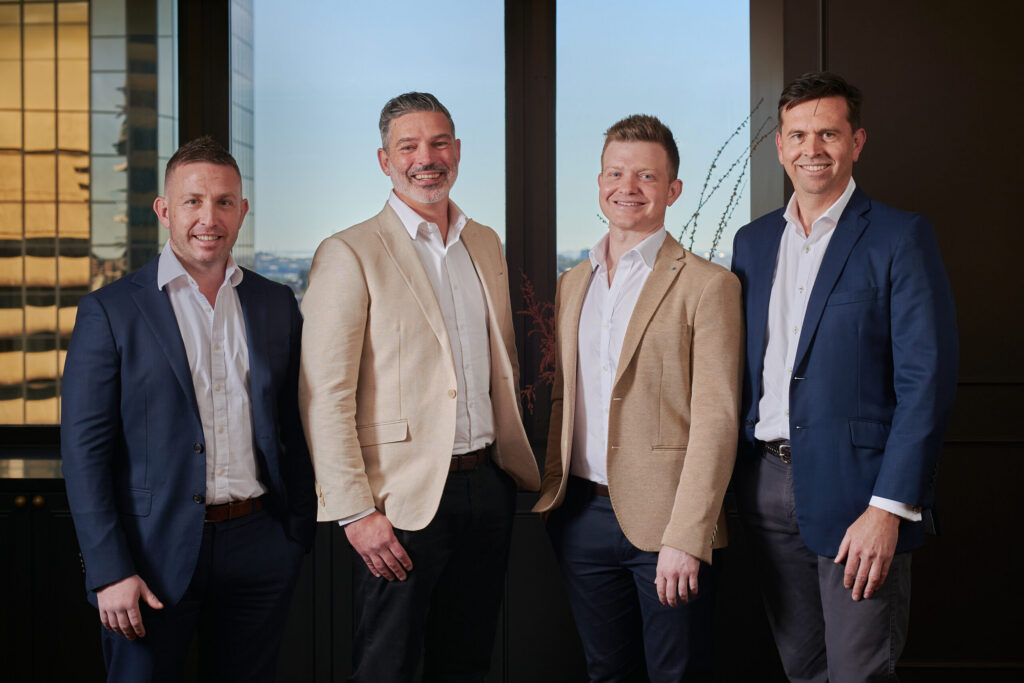
Meet the team

The Brokerage team

Brisbane and Sydney brokers who work on complex lending every day.

Credit representatives of BLSSA Pty Ltd ACL 391237.

Meet the team

The Brokerage team

Brisbane and Sydney brokers who work on complex lending every day.

Credit representatives of BLSSA Pty Ltd ACL 391237.

Industrial & Warehouse Property Finance

Finance to purchase or refinance warehouses, factories and industrial premises. For property investors and established business owners.

Finance requirements from $500,000 · Australia-wide support

Prefer to speak directly? Call 0451 973 662

Finance Around Your Property and Its Purpose

Buying an investment property

Purchase a warehouse or industrial property leased to a tenant. We review the lease, rental income, property security and your broader financial position.

Buying premises for your business

Purchase the warehouse, factory or industrial unit your business will occupy. We assess your trading income, existing commitments and the funding required to complete the purchase.

Refinancing an existing property

Review an existing industrial property loan, restructure facilities or assess whether available equity can support another purchase or business requirement.

A $4.2 Million Industrial Property Purchase and Refinance

An established trading business approached The Brokerage to refinance existing commercial properties and purchase additional premises for expansion.

The client already owned two commercial properties and wanted to complete the new purchase while preserving business cash.

We reviewed the existing portfolio and arranged a $4,198,500 facility combining refinancing with the additional property purchase. Equity released from the existing properties supported the purchase and associated costs.

The transaction involved warehouse and industrial commercial property in Queensland and settled in August 2026.

The outcome depended on the client’s existing security, trading position and overall facility structure.

Industrial Properties We Can Help Finance

We assess finance requirements across completed industrial properties, including:

Property typeCommon finance requirements
WarehousesOwner-occupied purchases, tenanted investments and refinancing.
Factories and manufacturing premisesPurchasing premises for production or investing in property occupied by a manufacturing business.
Strata industrial unitsIndividual warehouse, workshop and light industrial units within a larger complex.
Distribution centres and logistics facilitiesProperties used for freight, storage, distribution and fulfilment operations.
Light industrial premisesBuildings used for trade operations, assembly, servicing and related business activities.
Multi-unit industrial holdingsProperties with several industrial units or tenancies requiring a coordinated lending assessment.
Specialised facilitiesCold storage and other purpose-specific properties requiring closer review of their use, condition and lender suitability.

Tell us how the property is used, who occupies it and whether you are purchasing or refinancing. Those details help establish the appropriate lending approach.

Industrial Investment Property Loans

A leased warehouse or industrial property requires an assessment of both the asset and the income supporting it.

We review:

  • The current lease and remaining lease term.
  • The tenant’s business and financial strength.
  • Rental income, incentives and responsibility for outgoings.
  • Vacancy exposure and any upcoming lease changes.
  • The property’s valuation and suitability as security.
  • Your existing loans, property holdings and ownership structure.

A property’s advertised yield provides only part of the picture. The lender also needs to understand the lease obligations, income available to service the debt and the borrower’s wider position.

We prepare the transaction around those details and approach lenders whose criteria suit the property and application.

Buying a Warehouse or Factory for Your Business

If your business will operate from the property, its trading position becomes central to the application.

We assess your financial statements, cash flow, existing debts and the costs associated with moving into or purchasing the premises.

The review also considers:

  • Whether the property suits the business’s operations.
  • The proposed purchasing entity.
  • Existing rent commitments and when they will end.
  • Fit-out, equipment and relocation requirements.
  • Cash needed for transaction costs.
  • Available cash or equity for the purchase.

Where the property owner and operating business are separate entities, we work with your advisers to understand the proposed arrangement and present it clearly to lenders.

Refinance Your Warehouse or Industrial Property

An industrial property refinance may be prompted by a maturing facility, changing business requirements, a new valuation or a planned acquisition.

We review the existing loan alongside the property’s current use and your financial position.

That includes:

  • Current interest rates, fees and repayment arrangements.
  • The facility’s expiry date and outstanding balance.
  • Existing securities and guarantees.
  • Current tenancy or business income.
  • Updated property values.
  • The purpose of any additional borrowing.

If several properties secure the existing facilities, we assess how a proposed refinance affects the whole arrangement, including your ability to sell, refinance or acquire other properties.

How Lenders Assess Industrial Property

The lender’s assessment brings together the property, the income and the borrower.

Assessment areaWhat needs to be understood
Location and marketabilityDemand for the property type and the potential to lease or sell it.
Building and siteCondition, layout, access, loading facilities and suitability for its intended use.
ValuationThe lender’s accepted value and the basis used to assess the security.
TenancyTenant strength, lease terms, rental income and vacancy exposure.
Business incomeTrading performance and capacity to meet existing and proposed commitments.
Borrower structureCompanies, trusts, directors, trustees and proposed guarantees.
Property historyPrevious uses, environmental concerns or other issues requiring specialist investigation.
Existing commitmentsOther loans, guarantees and facilities affecting the application.

For strata industrial properties, relevant owners corporation or body corporate records may also need review, including levies, planned works and building issues.

The Lease Can Change Your Borrowing Position

For an investment purchase, lenders need more than the annual rent shown in the sales listing.

We review the signed lease and supporting information to understand:

  • How much of the lease remains at the proposed settlement date.
  • Rent reviews and any lease options.
  • Rent-free periods or other incentives.
  • Landlord contributions and unrecovered outgoings.
  • Whether the property has one tenant or several.
  • Upcoming expiries and potential gaps in income.

For properties with multiple tenants, weighted average lease expiry—often called WALE—helps describe the remaining lease profile.

The income a lender accepts may differ from the advertised rent. Reviewing the lease early helps establish a more useful view of the borrowing position.

Vacant, Short-Lease and Specialised Properties

A vacant warehouse, expiring lease or specialised building may require a different funding approach.

Without established rental income, the application needs another credible basis for servicing the debt. That may involve the owner-occupier’s trading income, other acceptable income or a funding structure suited to the transaction.

Specialised facilities require closer consideration of their operational use, alternative uses and marketability.

We assess:

  • Why the property is vacant or the lease is ending.
  • Who will occupy it after settlement.
  • The proposed income and supporting evidence.
  • Any works required before occupation.
  • The borrower’s available equity and financial position.
  • Property issues requiring professional investigation.

Discuss these circumstances before committing to a funding assumption or settlement timetable.

Deposit, Equity and Purchase Costs

The amount you need to contribute depends on the loan available against the accepted security and the total cost of the transaction.

Loan-to-value ratio, or LVR, describes the loan relative to the value of the security used in the assessment.

For illustration, if a property’s purchase price and accepted valuation are both $2 million:

Assumed positionAmount
Purchase price$2,000,000
Loan at an assumed approved 75% LVR$1,500,000
Contribution towards the purchase price$500,000
Transaction costsAdditional

This is an arithmetic example, rather than an indication of available lending terms.

Your funding plan also needs to account for applicable transfer duty, legal costs, valuation and lender fees, GST treatment and any immediate property works.

We work through the funding requirement with you and coordinate with your advisers where tax or legal input is needed.

Using Existing Equity and Additional Security

Existing property equity may help fund an industrial purchase or support a refinancing requirement.

We review the properties involved, current debt, accepted values and your capacity to service the proposed facilities.

The structure needs to make clear:

  • Which properties will secure each loan.
  • How existing facilities will be affected.
  • Whether properties will be linked within the security arrangement.
  • What may be required to release a property later.
  • How the borrowing supports your next purchase or business objective.

Additional security can change the funding available. It also changes the obligations attached to the properties involved, so those implications need to be understood before proceeding.

Rates, Repayments and Facility Terms

Industrial property loan pricing depends on the transaction and the lender’s assessment.

We compare suitable options across the features that affect the cost and operation of the facility.

Loan featureWhat we review
Interest rateThe proposed rate, its basis and any applicable margin.
FeesEstablishment, valuation, legal, ongoing and other relevant charges.
RepaymentsPrincipal and interest or an available interest-only arrangement.
Facility termWhen the loan expires and whether a future refinance or repayment is required.
Repayment periodHow repayments are calculated over the agreed schedule.
SecurityProperties and guarantees supporting the loan.
ConditionsDocumentation, ongoing reporting and other lender requirements.

We explain the proposed terms and how they relate to your property, cash flow and future borrowing requirements.

Companies, Trusts and Complex Borrowers

Industrial property transactions often involve separate operating businesses, property-holding entities and several income sources.

The Brokerage works with business owners and investors whose financial position requires a coordinated assessment.

Your application may involve:

  • A company purchasing business premises.
  • A trust holding an industrial investment.
  • Directors with income from several businesses.
  • Related entities contributing income or security.
  • An existing portfolio of commercial and residential properties.

We map the relevant entities, income, debts and guarantees before preparing the application.

Your accountant and solicitor remain responsible for advice about tax and legal ownership arrangements. We work with them to understand the proposed structure and the lender’s requirements.

SMSF Industrial Property Finance

If you are considering purchasing a warehouse or industrial property through an SMSF, the finance assessment needs to account for the fund’s structure and the proposed property arrangement.

We review the lending requirement alongside your accountant, financial adviser and solicitor where appropriate.

The assessment may require fund financial statements, details of contributions and income, property and lease information, and documentation supporting the borrowing arrangement.

Purchases involving a related business require particular attention to the applicable superannuation rules and lease arrangements.

Property, Fit-Out and Equipment Finance

Purchasing the premises may be one part of a wider business transaction.

You may also need funding for machinery, forklifts, racking, vehicles, fit-out or relocation costs.

We review those requirements together while distinguishing the property security from the equipment and operating requirements.

This helps establish:

  • What belongs within the property finance assessment.
  • Which assets may require separate equipment funding.
  • How the combined repayments affect cash flow.
  • What needs to be funded before or after settlement.

If you are developing a new industrial project or undertaking substantial construction, the application requires a development or construction funding assessment.

Documents to Prepare

The documents required depend on the borrower, property and lending approach. We confirm the relevant requirements after reviewing your scenario.

TransactionUseful information to prepare
Investment purchaseProperty listing or contract, signed leases, tenancy schedule, rental and outgoings information, ownership details and existing financial commitments.
Owner-occupied purchaseProperty details, business financial statements, relevant tax information, current trading figures, existing debt and the proposed ownership structure.
RefinancingCurrent loan statements, facility terms, security details, property and lease information, updated financials and the purpose of any additional borrowing.

Company, trust or SMSF applications may require further entity documents and financial information.

If you have already signed a contract, provide the finance deadline and settlement date at the initial discussion.

From Initial Review to Settlement

1. Understand the transaction

We discuss the property, its use, the finance required, your ownership structure and timing.

2. Review the supporting information

We assess the available income, equity, existing commitments and property documents, then identify any gaps.

3. Identify suitable lenders and structures

We match the application with lenders whose criteria suit the borrower and property, and explain the proposed terms.

4. Coordinate the formal assessment

We manage the application and lender queries, including valuation requirements and outstanding conditions.

5. Coordinate the finance through settlement

We work with the lender and your representatives to progress the finance documentation and settlement requirements.

Timing depends on the lender, valuation, documentation and any property or entity issues requiring resolution. Tell us about contractual deadlines early.

Brisbane and Sydney Teams. Australia-Wide Support.

The Brokerage supports industrial property investors and business owners across Australia from our Brisbane and Sydney offices.

You can discuss a property in either city, an interstate purchase or holdings across several locations.

We coordinate with your accountant, solicitor and other advisers where their input is relevant to the application.

Industrial Property Finance Questions

Potentially. We assess the purchase price, property security, your business income and existing commitments. The review also needs to account for when current rent obligations end and the costs associated with the purchase.

Yes. We can review the proposed property, explain the commercial lending assessment and identify suitable options. Your borrowing position depends on the security, income, available equity and financial commitments.

We can discuss your intended purchase, available funds and financial position before you begin making offers. Any property-specific lending terms will still depend on the selected security and formal lender assessment.

Yes, subject to assessment. The documents and income approach depend on whether you are purchasing for your business or as an investment, along with the lender and proposed structure.

Some lenders offer these approaches for suitable applications. We assess the property, income evidence and borrower circumstances to determine whether an option is relevant. Supporting information and credit assessment are still required.

Yes. We examine the reasons for the decision, the property and your financial position before assessing other options. A review may identify a different lender or structure, or issues that need to be addressed first.

Some vacant properties can be considered, but the lender needs an acceptable basis for servicing the loan. Your proposed occupancy, other income, available equity and property characteristics become particularly important.

Potentially. The amount available depends on accepted valuations, existing debt, serviceability, lender criteria and the proposed use of funds. We assess the effect on your wider lending arrangements.

They are different transactions. Property finance assesses the land and building. A business acquisition may also involve goodwill, stock and operating assets. We can review the separate requirements if your purchase includes both.

We can assess the combined requirement. The appropriate funding structure depends on the assets, works, security and lender criteria. Equipment or fit-out may need a separate facility.

Yes. We support transactions across Australia. The property’s location and characteristics remain part of the lender assessment, including for regional purchases.

Contact Us

Email us at the following enquiries@thebrokerage.au, via phone 0451 973 662, or complete the form below.

Name(Required)