Commercial property and development
Refinance and restructure
Asset and equipment finance
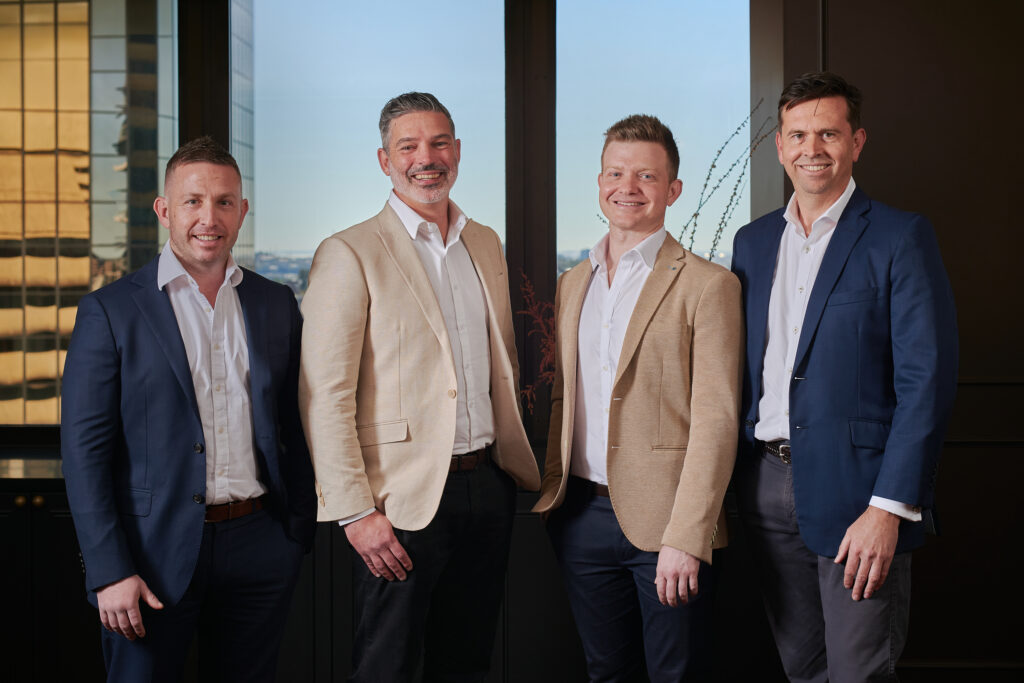
Meet the team

Brisbane and Sydney brokers who work on complex lending every day.
Credit representatives of BLSSA Pty Ltd ACL 391237.

Buying property
Refinance and equity
Complex and self-employed lending
Meet the team

Brisbane and Sydney brokers who work on complex lending every day.
Credit representatives of BLSSA Pty Ltd ACL 391237.
Finance for civil works, infrastructure and staged subdivisions, structured around your project’s costs, approvals and proposed lot sales.
For property developers and landowners · Australia-wide support
Prefer to speak directly? Call 0451 973 662.
A Queensland developer needed funding for a greenfield residential subdivision after their previous lender withdrew shortly before works were due to commence.
The project comprised 20 Torrens-title lots across three stages.
The Brokerage arranged a $6 million facility to refinance existing debt and enable the project to proceed. Although the developer was relatively new, an experienced project manager and civil contractor supported the delivery team.
The facility had no presale requirement. That outcome reflected the assessment and structure of this particular transaction.
Published May 2025. Historical transaction terms are specific to that project.
We work with developers and landowners seeking funding to:
Tell us what you own, what approvals are in place, what remains to be completed and how you intend to repay the finance. Those details establish the starting point for the funding review.
| Project type | Key funding considerations |
|---|---|
| Residential land estates | Civil construction, servicing, infrastructure, staged releases and lot sales |
| Infill subdivisions | Existing improvements, access, service connections, approval conditions and the proposed title arrangement |
| Commercial and industrial subdivisions | Lot configuration, access, infrastructure requirements and demand for the completed land |
| Regional land releases | Local sales evidence, service availability, delivery costs and the expected selling period |
Where a project also includes townhouses, apartments or other buildings, the funding proposal needs to account for both subdivision and construction.
Our property development finance team can assess those requirements together.
The funding requirement extends beyond the civil contractor’s quote.
| Cost category | Items to include in the project budget |
|---|---|
| Land and existing debt | Site acquisition or refinancing an existing facility |
| Civil construction | Earthworks, roads, drainage, retaining works and associated site works |
| Services | Water, sewer, electricity, telecommunications and connection requirements |
| Professional fees | Surveying, engineering, planning and project management |
| Authority costs | Relevant council contributions, infrastructure charges and approval-related payments |
| Finance and holding costs | Interest, lender fees, valuation, legal costs and the period before settlements |
| Completion allowances | Contingency, outstanding works and other costs needed to deliver the agreed project |
The lender determines which costs the facility can fund. We clarify those inclusions, the required developer contribution and when each source of money needs to be available.
A subdivision’s funding needs change as it progresses.
| Project stage | Funding questions |
|---|---|
| Acquisition or land refinance | What is the current value, existing debt, planning position and required contribution? |
| Approvals and preparation | What remains outstanding before civil works can commence? |
| Civil construction | How will contractor claims be funded, and what evidence is required for drawdowns? |
| Compliance and registration | What costs and holding period remain before separate titles and settlements? |
| Lot settlements | How much debt must be repaid, and what happens to unsold or retained lots? |
An acquisition facility does not automatically provide funding for the subsequent works. The transition needs to be considered before relying on the next advance.
The civil scope needs to identify what is required to deliver the lots, including work outside their individual boundaries.
We review the funding implications of:
A quote that excludes a connection, authority payment or shared infrastructure item can leave a funding gap even when the main civil works are fully costed.
Your engineer, contractor and other project advisers establish the technical scope. We use that information to assess the finance requirement.
Staging needs to work financially as well as physically.
The review should establish:
Early sales do not automatically make all proceeds available to the developer. The facility’s repayment and release conditions need to support the proposed staging plan.
Civil works funding may be advanced progressively as the project meets the lender’s conditions.
A drawdown review can involve:
We clarify the proposed reporting and drawdown requirements before the facility is accepted, so your project team understands what is needed to request funds.
The lender considers whether the project can be delivered and the debt repaid.
| Assessment area | Relevant information |
|---|---|
| Site and security | Ownership, existing debt, access, easements and property constraints |
| Approvals | Approved plans, outstanding conditions and permissions relevant to the works |
| Feasibility | Total costs, expected proceeds, finance costs and the project margin |
| Market evidence | Comparable lot sales, buyer demand and a credible selling period |
| Delivery team | Developer experience, civil contractor, engineer and project management |
| Contribution | Available cash, accepted land equity and capacity to meet a shortfall |
| Exit | Lot settlements, retained stock or another evidenced repayment pathway |
We identify gaps in the proposal before approaching suitable lenders.
Completing the civil works is one milestone. Meeting approval conditions, obtaining the required certifications and registering the titles involve further requirements.
In Brisbane, plan sealing is needed for the relevant title-registration process, with supporting compliance documents, service requirements and payment of applicable charges. In NSW, the subdivision certificate confirms compliance with development consent conditions and authorises registration.
The funding timetable should allow for the work, payments and time remaining between civil completion and lot settlements.
Your planner, surveyor and solicitor should confirm the requirements applying to the site. We consider their timing when assessing the facility term and cash flow.
A lender may assess both the land in its current condition and the proposed value of the completed lots.
It is important to understand what each borrowing measure represents:
The available facility may be constrained by more than one assessment.
We review the valuation basis, accepted costs and existing debt together. A projected increase in completed value does not automatically become cash available for works.
Land you already own may contribute to the funding structure.
The review considers its accepted value, existing debt and how much equity the lender recognises.
It also needs to establish:
We work through the contribution and drawdown sequence before you commit to a funding assumption.
Presale requirements vary by lender and transaction.
Some funding proposals depend on contracted sales. Others may be considered with fewer presales where the project, contribution, delivery team and exit meet the lender’s criteria.
Even where presales are not required, the sales assumptions need support.
Relevant information can include comparable sales, agent advice, buyer interest, proposed pricing and the expected selling period.
We assess lender suitability against your actual position, including any presales already secured.
The headline interest rate is only part of the facility cost.
We compare relevant terms such as:
Where interest is capitalised, it uses part of the facility capacity. The funding model needs to leave sufficient money for the remaining project costs.
Your feasibility should also allow for delays, variations and a contingency appropriate to the project.
When a lot settles, the lender’s security over that lot needs to be released under the agreed facility terms.
The developer should understand:
In a Hunter Valley transaction published in March 2019, The Brokerage arranged $7.25 million to refinance existing debt and release equity for the first 60 lots of a planned 500-plus-lot development.
The negotiated terms allowed sales proceeds to support future stages, provided predetermined gearing conditions were met.
This was a project-specific arrangement. Similar flexibility needs to be assessed and negotiated for each facility.
A change to the programme can affect more than the completion date.
Longer delivery or selling periods may increase holding costs, reduce available facility capacity and bring the loan closer to expiry.
Where circumstances change, the funding review needs an updated position covering:
Completed lots you intend to retain, or stock that remains unsold, may require a separate refinance assessment. That pathway should be considered before assuming the development facility can remain in place.
You can start the conversation with the site, project stage, proposed lots and approximate funding requirement.
A fuller assessment may require:
| Information | Supporting documents |
|---|---|
| Site and ownership | Title details, purchase contract where relevant, entity information and existing loan statements |
| Approvals | Development approval, approved plans, relevant conditions and the current status of outstanding requirements |
| Civil works | Contractor quote or contract, scope, engineering information and works programme |
| Project budget | Feasibility, cost breakdown, contingency, cash flow and funding requirement |
| Value and sales | Available valuations, comparable sales, agent advice and presale contracts |
| Borrower and team | Financial information, development experience and details of key project advisers |
Requirements depend on the lender and project. We identify what is needed for your application.
We review the site, approvals, proposed lots, stages, existing debt and timing.
We work through the budget, available contribution, expected settlements and any gaps requiring clarification.
We compare the project with lender criteria, including security, presales, reporting, drawdowns and repayment requirements.
We present the proposal and coordinate requests for supporting information with you and your advisers.
We help clarify settlement conditions and the funding requirements applying as the project progresses.
Our Brisbane and Sydney teams support subdivision funding enquiries across Australia.
Yes. An early discussion can establish the likely funding pathway and information still required. Availability of funds for a particular stage depends on the lender’s assessment and applicable conditions.
A lender may consider a newer developer where the project and supporting team meet its requirements. Relevant contractor and project-management experience can form an important part of the proposal.
Potentially. Some structures address both requirements, while others use separate facilities or a refinance between stages. The appropriate approach depends on the site, approvals, budget and lender.
Timing depends on the completeness of the proposal, valuation, lender review and outstanding conditions. Tell us about any contractual deadline at the first conversation so it can be considered when assessing suitable options.
Potentially, but the funding proposal needs to explain how the development debt will be repaid. Retained lots may require a separate facility, assessed against their completed position and the borrower’s circumstances.
It may be possible. The assessment needs the current debt, works completed, remaining costs, approval status, updated value and a credible repayment exit.
Tell us:
We’ll review the starting position and discuss the next information required to assess your options.
Call 0451 973 662 or email enquiries@thebrokerage.au.
Finance is subject to lender assessment, valuation, acceptable security and facility conditions. Planning, legal and tax requirements should be confirmed with your relevant advisers.
Email us at the following enquiries@thebrokerage.au, via phone 0451 973 662, or complete the form below.