


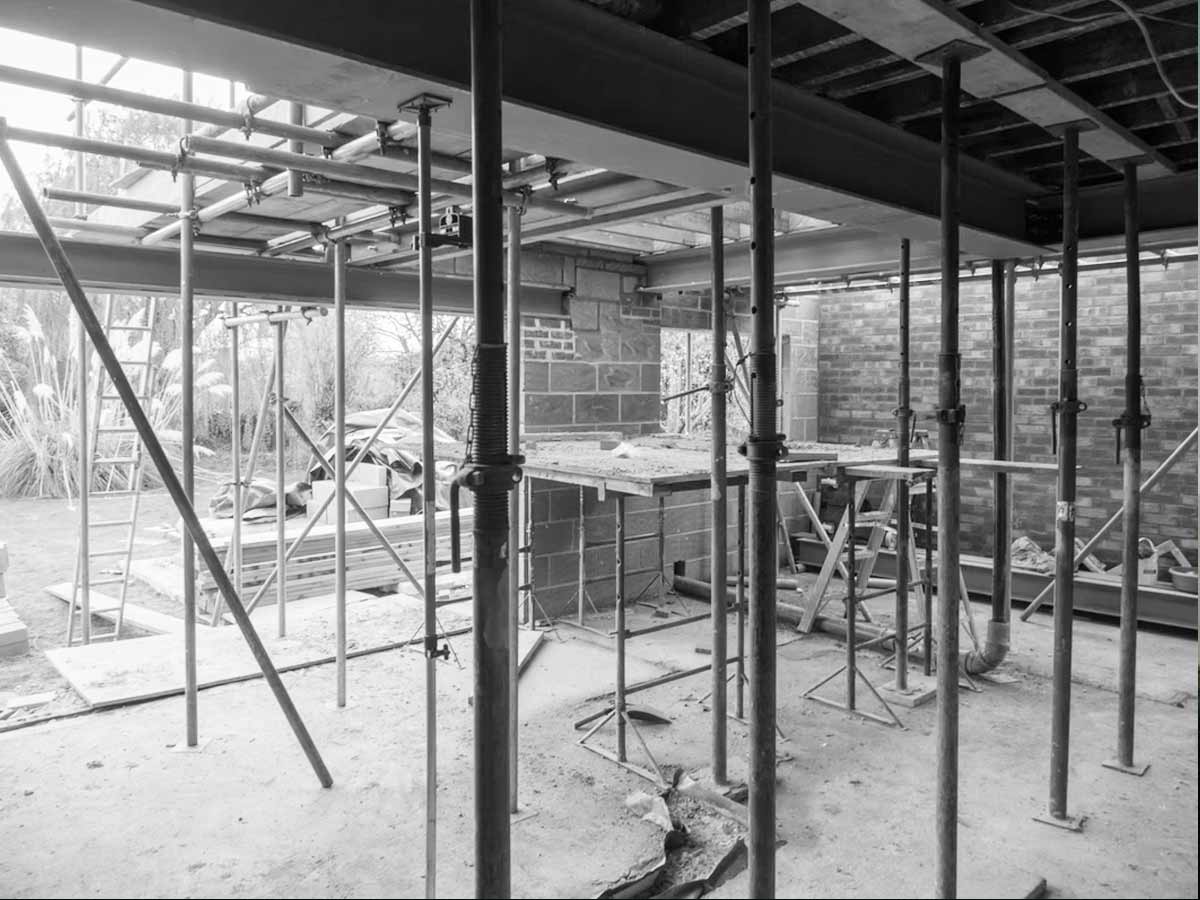
Funding a small-scale development — a few townhouses, a small unit block, a duplex or a subdivision — works very differently to taking out a home loan. Lenders look less at your salary and more at whether the project stacks up: what it will cost, what it will be worth, and how you’ll repay. Get that story right and finance becomes far easier to secure. This guide explains how small-scale development finance actually works in Australia, the options available, and what lenders want to see before they say yes.
How development finance works (and why it’s different)
Unlike a standard loan paid in one lump sum, development finance is released in stages (“progress draws”) as your project hits milestones — land, slab, frame, lockup, completion. Interest is usually capitalised (added to the loan) during the build rather than paid monthly, and the loan is short-term — typically 12 to 24 months — repaid when you sell the finished properties or refinance to a standard loan. That repayment plan is your “exit”, and lenders care about it as much as the build itself. Because the project is the security, lenders assess the deal on its numbers, not just your income.
The numbers lenders look at
A few figures decide how much you can borrow:
- Total Development Cost (TDC) — land + construction + fees + finance + contingency. Lenders often fund up to around 70–80% of TDC.
- Gross Realisation Value (GRV) — the total end value of the finished project. Borrowing is often capped at around 65–70% of GRV.
- Lenders typically lend the lower of those two, and you fund the gap with equity (cash or equity in another property).
- Development margin — your projected profit as a share of cost. Lenders like a healthy buffer (often around 20%) so the project can absorb overruns or a softer market.
These are indicative — every lender and project differs, which is exactly where a broker earns their keep.
What lenders want to see
Have these ready and your application moves faster:
- A feasibility study showing costs, end values and profit
- Development Approval (DA) or a clear approvals pathway
- A fixed-price building contract with a licensed, suitably-sized builder
- A quantity surveyor (QS) report to verify costs and sign off progress draws
- Your experience (or a strong team around you if it’s your first)
- Presales, if you’re building units — banks often want a portion sold first
- A credible exit strategy — sell, or refinance to a term loan
Your funding options
1. Bank construction / development finance
The cheapest money, and the right choice for experienced developers with presales and clean numbers. The trade-off: lower LVRs, presale requirements, more documentation and slower approvals. Best when time isn’t tight and the project is low-risk.
2. Non-bank and private lenders
Increasingly the go-to for small-scale developers. They move faster, take a more flexible view, often lend a higher percentage of cost, and rarely require presales — which suits time-sensitive deals or projects that don’t tick every bank box. You pay for that flexibility in higher rates and fees, so the project’s margin needs to comfortably cover the extra cost. A broker gives you access to a vetted panel of reputable private lenders and helps you weigh them up.
3. Mezzanine and stretch-senior funding
If the senior loan doesn’t cover enough of the cost, mezzanine (second-tier) or “stretch senior” funding can top it up — reducing the equity you need to put in. It’s more expensive again and sits behind the senior lender, so it’s used selectively to make an otherwise-tight deal work.
4. Equity partners and joint ventures
Bringing in an equity investor or JV partner injects capital without adding debt or repayments — in exchange for a share of the profit (and often a say in decisions). It suits strong projects that are cash-light upfront. A clear profit-share agreement and a tidy feasibility are essential to attract the right partner.
5. Leveraging your existing equity
If you hold equity in your home or an investment property, you may be able to use it as your contribution — reducing the cash you need at the start. It’s efficient, but it puts your existing assets on the line, so it needs to be structured carefully.
Your quick pre-application checklist
- Feasibility that shows a real margin
- DA or approvals pathway
- Fixed-price builder contract
- QS report
- Presales lined up (if units)
- Clear exit strategy
- Evidence of your equity contribution
Getting it right
The right funding structure can be the difference between a project that proceeds smoothly and one that stalls. The best option depends on your experience, your timeline, how much equity you’re putting in, and the project itself — and the market changes constantly. As commercial finance specialists arranging property development finance across Brisbane and Sydney, we compare bank and private options, pressure-test your feasibility, and structure finance that fits your project and your exit. Contact The Brokerage to talk through your project.