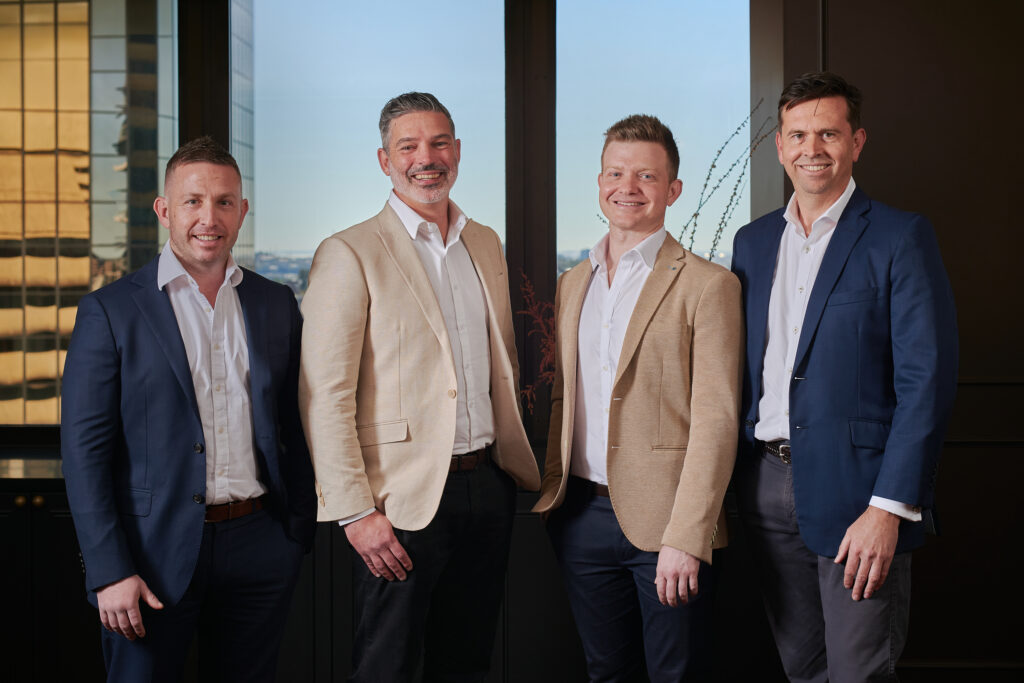
Meet the team

The Brokerage team

Brisbane and Sydney brokers who work on complex lending every day.

Credit representatives of BLSSA Pty Ltd ACL 391237.

Meet the team

The Brokerage team

Brisbane and Sydney brokers who work on complex lending every day.

Credit representatives of BLSSA Pty Ltd ACL 391237.

Residential Finance

Buying Property in a Trust or Company

Your accountant has recommended a structure. Our Brisbane and Sydney brokers find lenders that accept it, and help you see the land tax and guarantee questions before you sign.

Or call 0451 973 662

The Structure Is Your Accountant's Call. Funding It Is Ours.

Buying in a family trust, unit trust or company can suit some investors and business owners. It also changes who the borrower is, who signs, who guarantees and how state land tax is calculated.

Not every lender lends to every structure. The ones that do often ask for more documents, personal guarantees and sometimes a lower loan-to-value ratio.

We help people who:

  • Are buying an investment property through a family (discretionary) trust.
  • Are buying through a company, including business premises.
  • Own property with partners through a unit trust.
  • Are adding a trust purchase to a portfolio held in their own names.
  • Are accountants or solicitors with a client ready to buy.

Client example

Seven Entities. One Family Home.

A long-term client with a complex corporate structure of seven entities needed construction finance for the family home they’d been planning for years. We worked through the structure and found the lender for it.

Case study published 1 January 2019. Outcomes depend on each client’s circumstances and lender policy at the time.

Read the case study

  • Loan amount: $3,040,000
  • Gearing: 80%
  • Lender: Major bank
  • Location: Holland Park West, QLD

Which Structure Are You Buying In?

StructureWhat lenders usually look atQuestions to raise early
Family (discretionary) trust, company trusteeThe trust deed, the trustee company, guarantees from directors and often from main beneficiaries.Does the deed allow borrowing and giving security? Who will guarantee?
Family trust, individual trusteeSome lenders prefer or require a company trustee.Will your accountant change the trustee before you buy?
Unit trustUnit holders, their shares, and guarantees from each.Will all unit holders guarantee? Is it a fixed trust for land tax?
Company (no trust)Company financials, directors' guarantees.Is the company trading, or set up to hold property?
Hybrid trustSome lenders won't accept them.Ask your accountant to confirm the trust type.

Examples only. Each lender sets its own rules for trusts and companies, and they change.

Start With What You Want to Do

Buy an investment in a trust:

Check the deed, trustee and guarantees, then compare lenders that accept them.

Buy business premises in a company:

Match the company’s income and the premises to a commercial lender. See owner-occupied commercial property loans.

Move a property into an entity:

Talk to your solicitor about duty first, then we’ll look at refinancing.

Grow a portfolio across entities:

Plan how each new loan affects guarantees and borrowing across the group.

What Lenders Ask of a Trust

Expect a lender to want:

  • The full trust deed and any variations.
  • Details of the trustee (and, for a company trustee, its directors and shareholders).
  • Personal guarantees, usually from the directors of the trustee company and often from the main beneficiaries or unit holders.
  • Sometimes independent legal advice for guarantors.

The loan is assessed on the trust’s income (such as rent) and the guarantors’ income and commitments. If your income comes from a trust, see our trust income home loans page.

Buying Through a Company

A company that buys property borrows in its own name, and its directors usually guarantee the loan. A lender will look at the company’s financials as well as the directors’. A company set up only to hold property may be assessed differently from a trading company.

Land Tax in Queensland Is Different for Trusts and Companies

In Queensland, companies and trustees have a lower land tax threshold than individuals, and pay land tax at different rates. Land held in each trust is generally assessed separately, except cloned trusts. Foreign companies and trustees of foreign trusts can also pay a surcharge.

Land tax is worked out on the land value set by the state, not the price you paid. Check the current thresholds and rates with the Queensland Revenue Office, and ask your accountant to confirm your position, including any exemptions.

Land Tax in NSW: Special Trusts Have No Threshold

In NSW, land held in a special trust (which includes most family and discretionary trusts, and unit trusts that aren’t fixed trusts) gets no land tax threshold. Land tax can apply from the first dollar of land value, where the same land held by an individual might fall under the threshold.

A discretionary trust whose deed doesn’t irrevocably exclude foreign persons as beneficiaries may also pay surcharge land tax. Check the current rates with Revenue NSW, and ask your accountant to confirm your position.

Buying a Home in a Trust? Check Concessions First

In Queensland, the home concession on transfer duty is for individuals buying a home to live in. A trust or company buying the same home generally won’t get it, so duty can be higher. In NSW, check the current concession and first home buyer rules with Revenue NSW. Ask your solicitor before you sign. Our buying costs calculator for QLD and NSW shows general duty and fees for your price.

Who Advises on What

QuestionWho answers it
Which structure suits me? Tax, asset protection, distributionsYour accountant or tax adviser
Trust deed, trustee changes, duty on the transferYour solicitor
Which lenders accept the structure, guarantees, LVR, pricingUs

Documents

The Documents That Help a Trust or Company Application

EntityUseful starting information
TrustTrust deed and variations, trustee details, ABN/TFN, financial statements and tax returns if trading.
Trustee company / companyASIC company extract, directors and shareholders, financials.
GuarantorsID, income evidence, assets and debts.
The propertyContract of sale (or target price), rental estimate if an investment.

We Work Alongside Your Accountant and Solicitor

We’ll tell your accountant and solicitor early what the lender needs, so the deed, trustee and contract name are right before you sign. Changing the buyer’s name after you sign may not be simple, so have your solicitor confirm it first.

Your legal and tax advisers remain responsible for advice within their professional scope.

What We Establish in the First Conversation

  • What structure your accountant has recommended, and why it matters to you.
  • Whether the trust or company already exists, and who the trustee is.
  • Who would guarantee the loan.
  • The property, the price, and whether you’ll live in it or rent it.
  • What you already own, and in whose name.

Process

From First Conversation to Settlement

  1. Step 1: Review the structure

    Deed, trustee and guarantors.

  2. Step 2: Research suitable lenders

    Who accepts the structure, and on what terms.

  3. Step 3: Coordinate with your advisers

    Contract name, duty and land tax questions.

  4. Step 4: Prepare and manage the application.

  5. Step 5: Approval and settlement.

Before You Sign a Contract in the Entity's Name

Have the entity set up and the contract name confirmed by your solicitor, and your lender options assessed for that structure, before you sign.

Trust and Company Property Loans in Brisbane and Sydney

Our brokers work with investors, business owners and their advisers across Queensland and NSW.

Meet the Brokerage team

FAQ

Questions About Buying Property in a Trust or Company

Can you get a home loan in a family trust?

Yes, with lenders that accept trust borrowers. Expect to provide the trust deed and trustee details, and for directors or beneficiaries to guarantee the loan.

Do lenders need a company trustee?

Some lenders prefer or require one. Others accept individual trustees. Check before your accountant sets up the trust.

Who has to guarantee a trust loan?

Usually the directors of the trustee company, and often the main beneficiaries or unit holders. It varies by lender.

Is land tax higher in a trust?

It can be. In Queensland, companies and trustees have a lower land tax threshold than individuals. In NSW, special trusts (including most family trusts) get no threshold. Check the current rates with the state revenue office.

Can I buy my own home in a trust?

You can, but you may lose concessions available to individuals, such as Queensland's home concession on duty. Ask your solicitor and accountant first.

Can I move a property I already own into a trust?

Possibly, but duty and tax can apply to the transfer. Speak to your solicitor and accountant before refinancing.

Do trust loans cost more?

Some lenders price or limit trust and company loans differently, and LMI insurers have their own rules. We'll compare options for your structure.

Can you tell me whether to use a trust?

No. That's a tax and legal question for your accountant and solicitor. We tell you how lenders treat the structure they recommend.

Let's See Which Lenders Accept Your Structure

Tell us the structure your accountant has recommended and what you’re buying.

General information only. Finance is subject to lender assessment, eligibility requirements and applicable terms. This page is not tax or legal advice. Land tax and duty rules are set by each state and can change.

Published by The Brokerage.

The Brokerage Commercial Pty Ltd (ABN 29 605 379 780) is credit representative 487465 and The Brokerage Residential Pty Ltd (ABN 19 605 782 241) is credit representative 478196 of BLSSA Pty Ltd (ACN 117 651 760), Australian Credit Licence 391237.

Contact Us

Email us at the following enquiries@thebrokerage.au, via phone 0451 973 662, or complete the form below.

Name(Required)